In petrochemical production (refining, storage and transportation, fine chemicals), sensors are known as the “nerve endings” of automatic control systems. However, under extreme conditions such as high temperature and pressure, highly corrosive media (such as H₂S and acidic or alkaline solutions), flammable and explosive atmospheres (Ex ia/Ex d) and turbulent agitation inside tanks, conventional commercial-grade sensors often show the following problems.
| Application Challenges
1. Severe measurement accuracy drift: In summer, surface temperatures can reach 60℃ or more, and the diaphragms of traditional pressure/differential pressure sensors expand with heat, causing zero-point drift, triggering false level interlock actions and enormous losses from unplanned downtime.
2. Crystallization and adhesion causing “false levels”: : crude oil or heavy oil media easily crystallize and adhere to the flange diaphragm of differential pressure level sensors, distorting differential pressure transmission and frequently creating the risk of tank overflow or of running dry and burning out.
3.“Signal loss”under steam/dust interference: in dehydrogenation units filled with steam or catalytic cracking units carrying dust, low-frequency radar level gauges are affected by interference echoes, their signals are frequently interrupted, and they cannot provide stable level data to the DCS (distributed control system).
| Solutions
To address these chronic problems, winchen sensor provides the entire petrochemical process with a hard-core sensor combination that is “corrosion-resistant, explosion-proof and highly stable”.
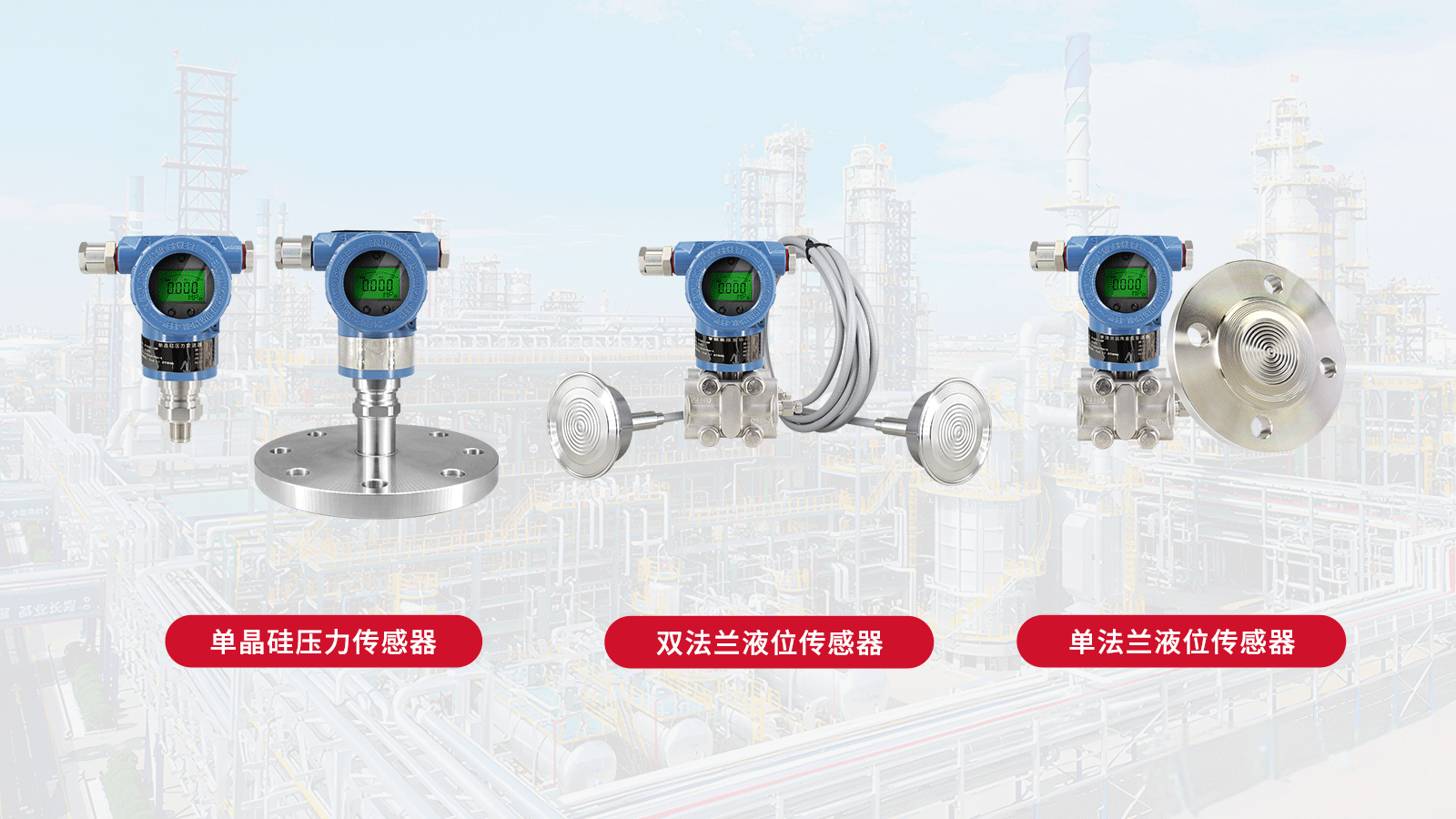
1. Monocrystalline silicon pressure sensors: To address high-frequency pulsation in pipelines and wear from particulate-laden media, Winchen adopts a flush diaphragm structure (with no pressure port) together with 316L stainless steel or Hastelloy materials to effectively prevent clogging and corrosion; an intelligent temperature compensation algorithm is integrated inside (-40℃~125℃ wide-temperature compensation), and the product has passed Ex ia IIC T6 intrinsic safety explosion-proof certification.
2. Single/double flange differential pressure level sensors: To address the challenges of high static pressure and changes in media density in level measurement for towers and spherical tanks, single/double flange differential pressure level sensors use the sensing capability of a monocrystalline silicon core to precisely identify small density differences caused by composition changes, effectively distinguishing “real levels” from “false levels”.
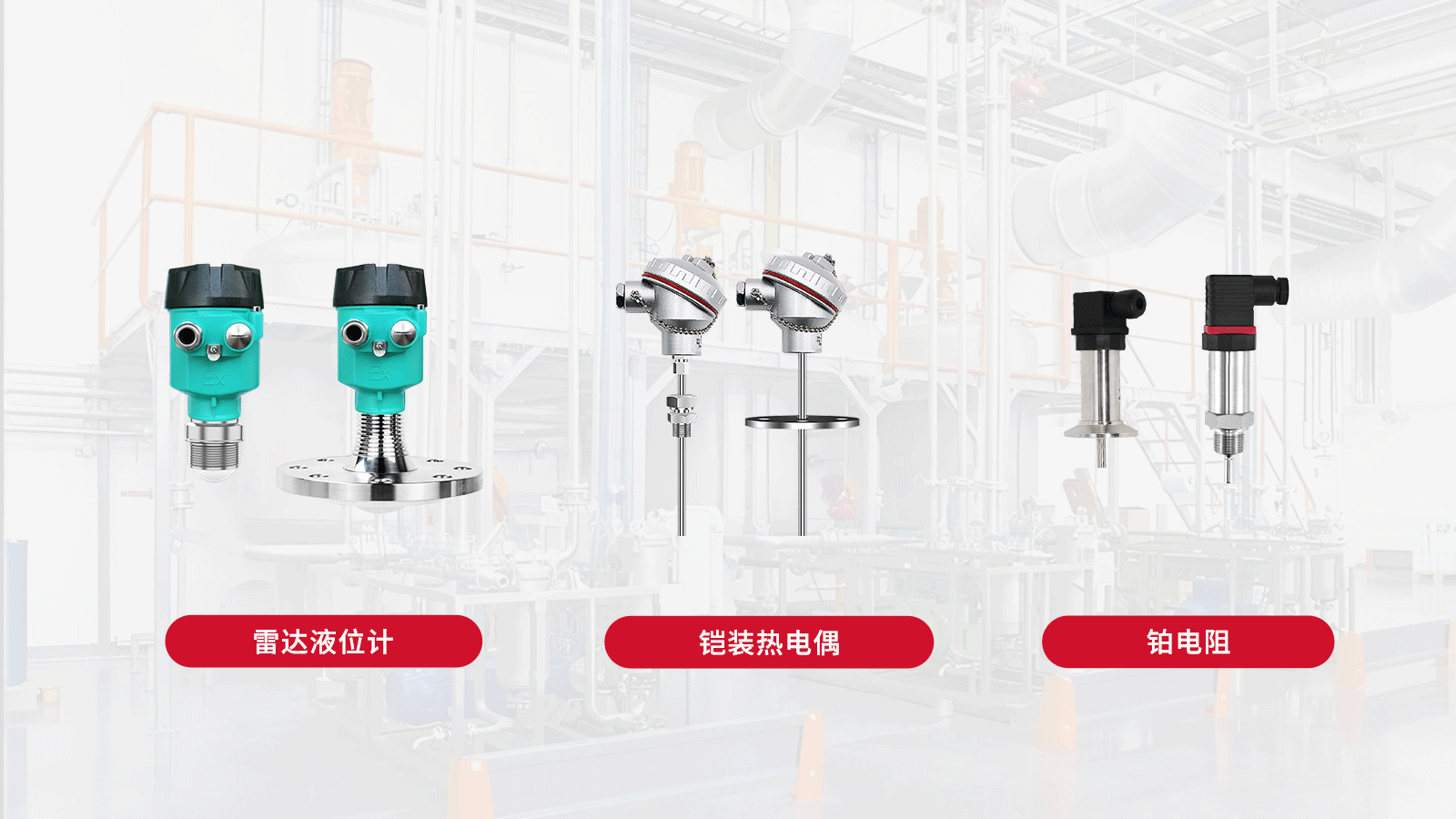
3. 80GHz radar level gauges: For conditions with low-dielectric-constant media such as heavy oil and asphalt (εr<1.5) and a foamy surface, traditional pulse radar is powerless. Winchen uses 80GHz high-frequency radar with a shorter wavelength and a beam angle as small as 3°, and with a dynamic false echo learning algorithm it automatically identifies and shields fixed interference echoes from agitators, in-tank obstacles and steam layers, achieving millimeter-level precise tracking.
4. Temperature sensors (RTDs/thermocouples): for working areas inside hydrogenation reactors or cracking furnaces where temperatures reach 800℃ and strong vibration is present, Winchen provides sheathed thermocouples with strong vibration resistance, and together with an integrated temperature transmitter they convert signals directly into 4-20mA/RS485, eliminating the accumulation of errors over long-distance transmission.
| Benefits and Results
1. O&M costs greatly reduced: The crystallization-resistant diaphragm and the non-contact, maintenance-free radar design reduce the frequency of routine manual cleaning from once a week to once a quarter, saving more than 200,000 yuan per production line each year in maintenance labor and downtime losses;
2. Improved production safety with upfront risk warning: The sensors support real-time out-of-limit alarms, pushing alerts the moment pressure, level or other parameters become abnormal. Combined with an IoT platform, this enables a shift from “passive response” to “proactive warning”. Taking storage tank level monitoring as an example, real-time monitoring and feedback of level data effectively prevents safety hazards such as overflow and empty tanks;
3. Optimized energy utilization: High-precision pressure and temperature compensation algorithms assist heating furnaces in optimizing the air-fuel ratio, directly raising thermal efficiency by 1.5%~3% and helping enterprises achieve “dual carbon” goals for dual control of energy consumption;