Semiconductor Wet Process SDA/CDS Solutions
Publication date:2026-10-13 00:19
| Application Challenges
Wet process equipment runs through the entire flow of semiconductor front-end wafer manufacturing and back-end advanced packaging; dozens of key processes such as wafer cleaning, etching, photoresist stripping and surface treatment all rely on wet processes, making it an indispensable purification hub in chip manufacturing. As advanced processes move toward<the 5nm node, even small fluctuations in chemical concentration, temperature, pH and other parameters can easily degrade etching and cleaning uniformity; loss of humidity control brings even greater losses——Excessive humidity causes corrosion and electrical short circuits, while humidity that is too low leads to static buildup that damages semiconductor surfaces; the revenue loss caused by less-than-ideal humidity conditions is estimated at up to 25%. At the same time, uneven fluid distribution when cleaning high-aspect-ratio structures easily leaves residues or causes sidewall damage; ultrapure water accounts for 30%-40% of plant-wide consumption, and wastewater treatment costs are rising year by year; internal equipment wear means particle contamination accounts for more than 60% of wet process defects.
| Solutions
To address these pain points, five types of sensors build a comprehensive system of precise sensing and closed-loop control:
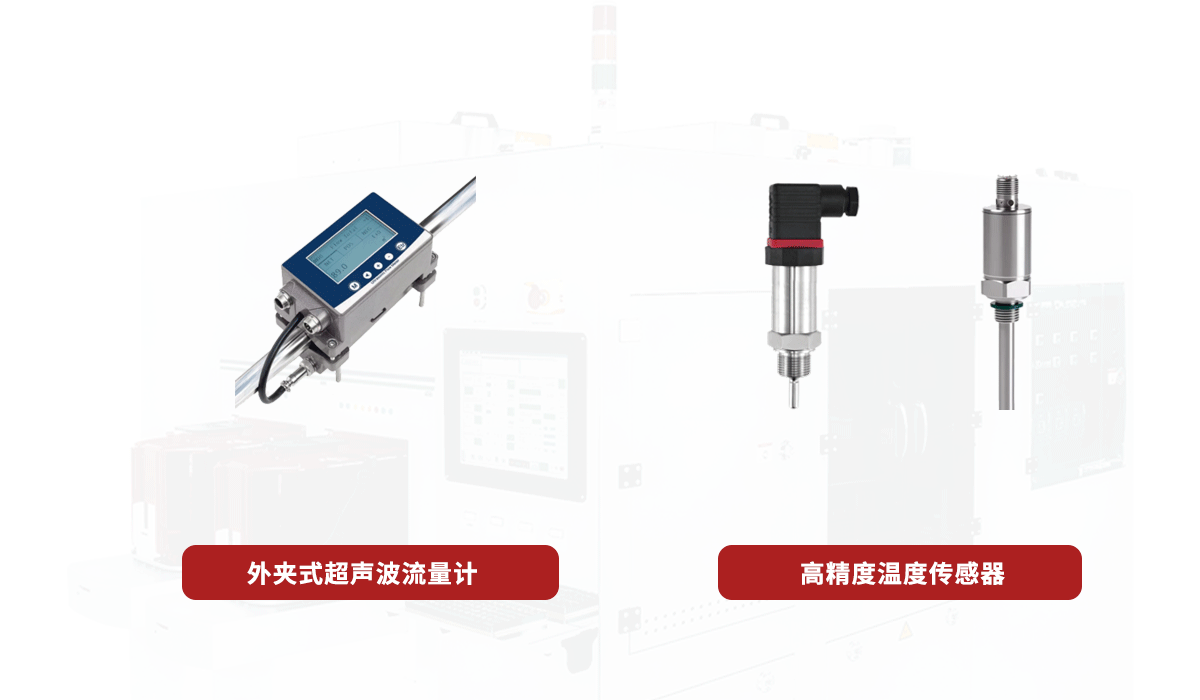
1. Clamp-on ultrasonic flow meters: They precisely control the delivery volume of chemicals and ultrapure water, keeping the chemical ratio for etching and cleaning constant. Combined with an intelligent control system, they can correct slurry and cleaning liquid composition in real time, avoiding concentration imbalance that corrodes wafers or results in substandard cleaning.
2. Temperature and humidity sensors: They collect the chemical temperature in the process tank and the chamber humidity in real time and dynamically adjust heating power based on the feedback data, keeping the temperature curve on the set value throughout the process cycle. The sensors provide closed-loop control across the whole process to ensure process consistency. For wet cleaning scenarios, an advanced wireless wafer temperature measurement system can achieve±0.3℃ measurement accuracy and 10 ms-level fast response, capturing the transient temperature field distribution in wet processes in real time.
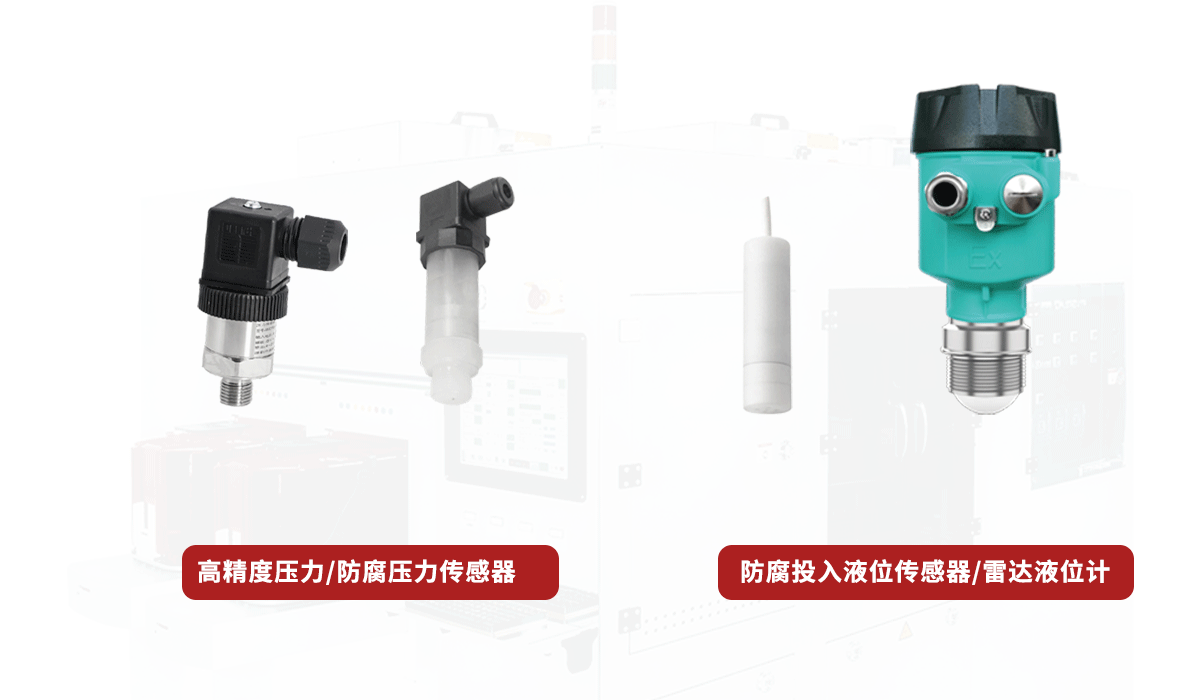
3. Anti-corrosion submersible level sensors and non-contact level radar: these monitor the liquid level in chemical tanks and pipelines in real time, eliminating the risk of running dry and halting work, as well as the risk of overflow and leakage. Anti-corrosion materials and a non-contact, acid- and alkali-resistant design avoid from the outset the risk of media corroding the sensor and causing cross-contamination.
4. High-precision and anti-corrosion pressure sensors: these monitor the pressure of spray lines and closed chambers in real time and precisely balance the wafer rinse force. PTFE and other anti-corrosion materials eliminate cleaning residues and ensure consistent treatment across the entire wafer.
 | Benefits and Results
1. Soaring yield: real-time online monitoring and closed-loop control allow process parameter deviations to be detected and corrected immediately, effectively preventing batch defects. Leading wafer fabs worldwide have verified that integrated online monitoring systems have become a proven tool for stabilizing processes and improving yield.
2. Safety and quality assurance: precise level control eliminates heater dry-burn failures and chemical overflow risks, protecting critical equipment components while avoiding waste of high-value chemical cleaning liquids and contamination of the clean environment. The non-contact sensor design further removes the hidden risks of media corrosion and cross-contamination at the root.
3. Cost optimization: real-time concentration monitoring allows the service life of chemical bath solutions to be evaluated precisely, making chemical management interventions more targeted; combined with an IIoT platform, it enables real-time visual monitoring of equipment status and effectively reduces unplanned downtime.