Metal Smelting Sensor Solutions
Publication date:2026-10-13 00:19
Metal smelting is one of the most demanding fields for sensor applications, with the highest degree of technological integration. From ore to finished product, temperature, pressure and flow run through every process step, directly determining product quality, production cost and operational safety.
| Application Challenges
1. Extremely harsh working environment
Furnace temperatures often reach thousands of degrees Celsius, and above 1200℃ the metal protective sheaths of conventional sensors soften and deform, while semiconductor materials vaporize and fail outright. At the same time, high dust concentration and humidity place extremely high demands on sensor adaptability, accuracy, response speed, long-term stability and sealing.
2. Inherent defects of traditional measurement methods
Traditional mechanical flow meters tend to drift, break or jam over time; end-point temperature sensors may drift or fail due to moisture ingress; and mechanical pressure switches may drift, stick or fracture due to fatigue. These defects lead to distorted measurement data and frequent equipment downtime for maintenance.
3. Data cannot be traced, leaving process optimization without a basis
Traditional methods rely on manual temperature measurement, which is not only inefficient and risky but also makes real-time monitoring and data traceability impossible. In instrument selection, problems such as mismatched parameters, poor environmental adaptability and incompatible interfaces are also common.

| Solutions
For metal smelting scenarios, winchen provides the following three major sensor solutions:
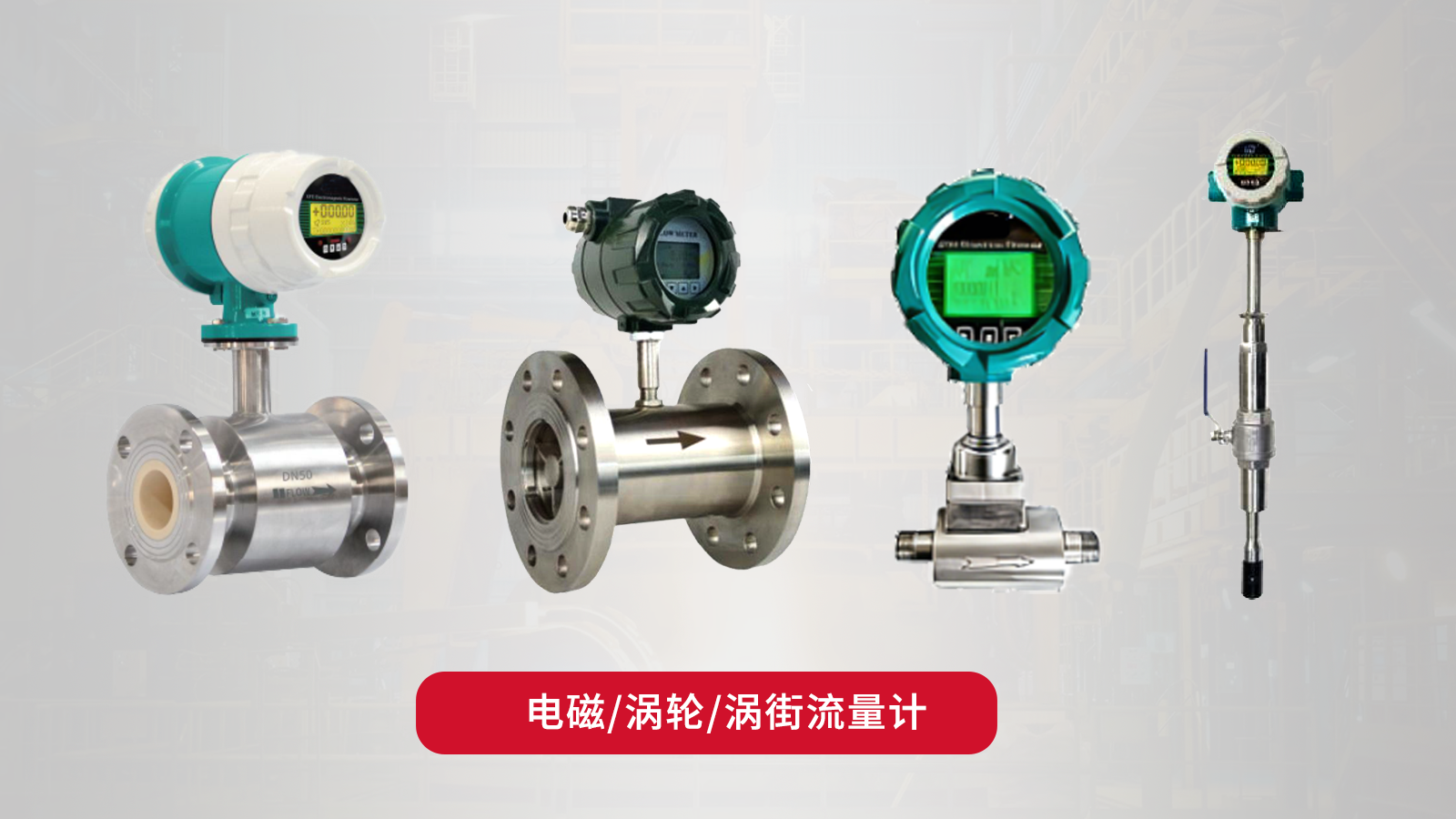
1. Flow meters: electromagnetic/vortex/turbine flow meters accurately measure the flow of blast furnace oxygen enrichment, natural gas combustion air, cooling water and other media during metal smelting;
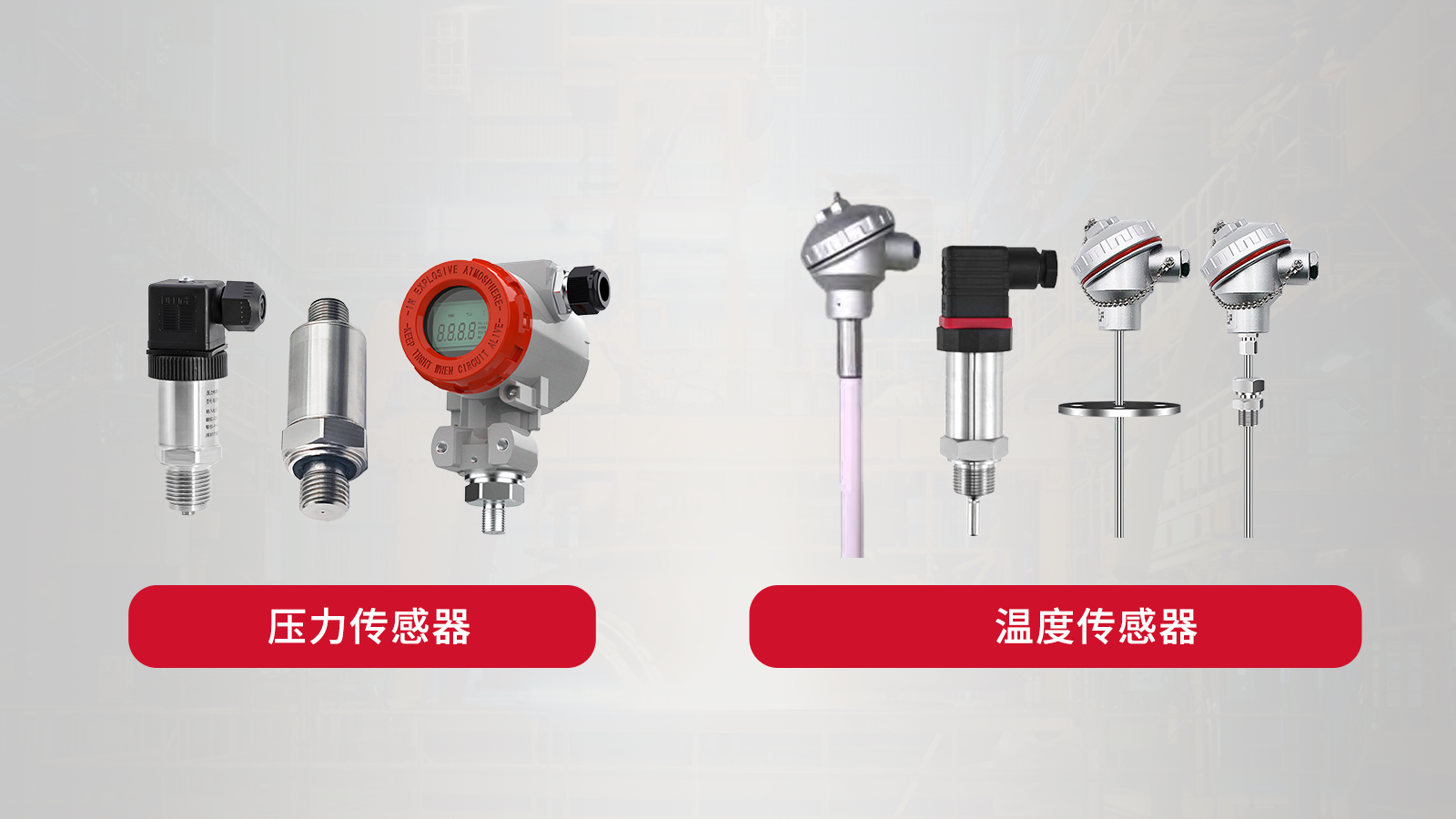
2. Pressure sensors: pressure range up to 0-250MPa, with accuracy up to±0.075%FS and compensated temperature for stable, reliable performance. They ensure the normal operation of key equipment such as hydraulic systems, rolling mill drives and converter gas holders;
3. Temperature sensors: range covers -70~1200°C, used in blast furnace ironmaking, electric arc furnace smelting, heating furnace control and other processes;
Core Advantages:
Fully welded sealed structure: temperature sensors use a fully welded, one-piece 316 stainless steel housing that effectively prevents moisture ingress——— the most common cause of sensor drift and failure.
High accuracy and high reliability: industrial platinum RTDs offer high measurement accuracy, reliable performance and strong oxidation resistance, remaining stable over long-term use.
Strong adaptability to harsh environments: after encapsulation, the products have strong contamination resistance and excellent mechanical strength, suitable for harsh environments such as steel and metallurgy.
Diverse product matching: a variety of temperature product matching options including platinum resistance series and thermocouple series to meet the needs of different operating conditions.
Flexible installation: flexible installation and structural forms, customizable mounting structures and a wide range of application scenarios.
| Benefits and Results
1. Improved equipment availability and production efficiency: by continuously monitoring cooling water flow, furnace temperature and hydraulic system pressure, overheating, equipment damage and unplanned downtime can be effectively prevented. Practice shows that the smart sensor monitoring system provided by winchen can reduce the blast furnace blow-down rate (fault downtime) by 20%;
2. Ensuring product quality consistency: real-time data feedback enables operators to adjust process parameters in time, avoiding product quality problems caused by temperature drift or flow anomalies;
3. Reduced energy consumption and production costs: precise monitoring of the cooling water system and other links can achieve significant energy savings;
4. Data traceability and process optimization: sensors integrate easily and can collect and analyze data in real time, providing a solid foundation for process optimization and the transition to smart manufacturing;
5. Enhanced production safety: real-time monitoring of pressure changes inside the furnace and pipelines allows anomalies to be detected and warned of in time, ensuring safe equipment operation and personnel safety;