Smart Urban Water Monitoring Sensor Solutions
Publication date:2026-10-13 00:19
The urban water system is the city's “lifeline”, covering the whole chain including water sources, water plants, water supply networks, drainage networks and secondary water supply. Traditional water management has long faced many challenges; these problems not only affect water supply safety but also hold back the advancement of smart city construction.
| Application Challenges
1. Serious pipeline leakage and staggering water waste: Water supply pipelines are buried deep underground, and traditional management relies on manual inspection and periodic checks, making it hard to find small leaks and hidden leaks in time. Pipeline leakage not only wastes a large amount of water resources, but may also cause secondary disasters such as road collapse, bringing hidden dangers to urban public safety.
2. Abnormal pressure fluctuations and poor water supply reliability: Urban pipeline networks have numerous nodes and complex operating conditions, and under the traditional model real-time, comprehensive pressure monitoring is impossible. Excessively high pressure easily causes pipe bursts, while excessively low pressure affects customers' normal water use. Pressure anomalies are often sudden and chain-reactive, and the lack of real-time monitoring means they can only be “remedied after the fact”, with no way to “prevent them in advance”.
3. Lagging level monitoring, with flood and water shortage risks coexisting: Whether it is the water level at a water source, the clear water tank of a water plant, or the level in secondary water supply tanks, pump station sumps and drainage network manholes, traditional monitoring generally suffers from data lag and insufficient accuracy. In the rainy season it cannot warn of urban waterlogging risks in time, and in the dry season it is difficult to precisely dispatch water sources, leaving urban water safety facing a double test.
4. Missing flow data makes refined management impossible: Flow data from water supply networks is the basis for district metering, leakage control and water balance analysis. Traditional flow meters are costly to install and difficult to maintain, and many key nodes lack flow monitoring. Without accurate flow data, water utilities can neither scientifically assess pipeline leakage rates nor achieve refined water supply dispatch;
| Solutions
In response to these pain points, winchen sensor has launched a complete smart water monitoring solution centered on pressure sensors, submersible level sensors and flow meters.
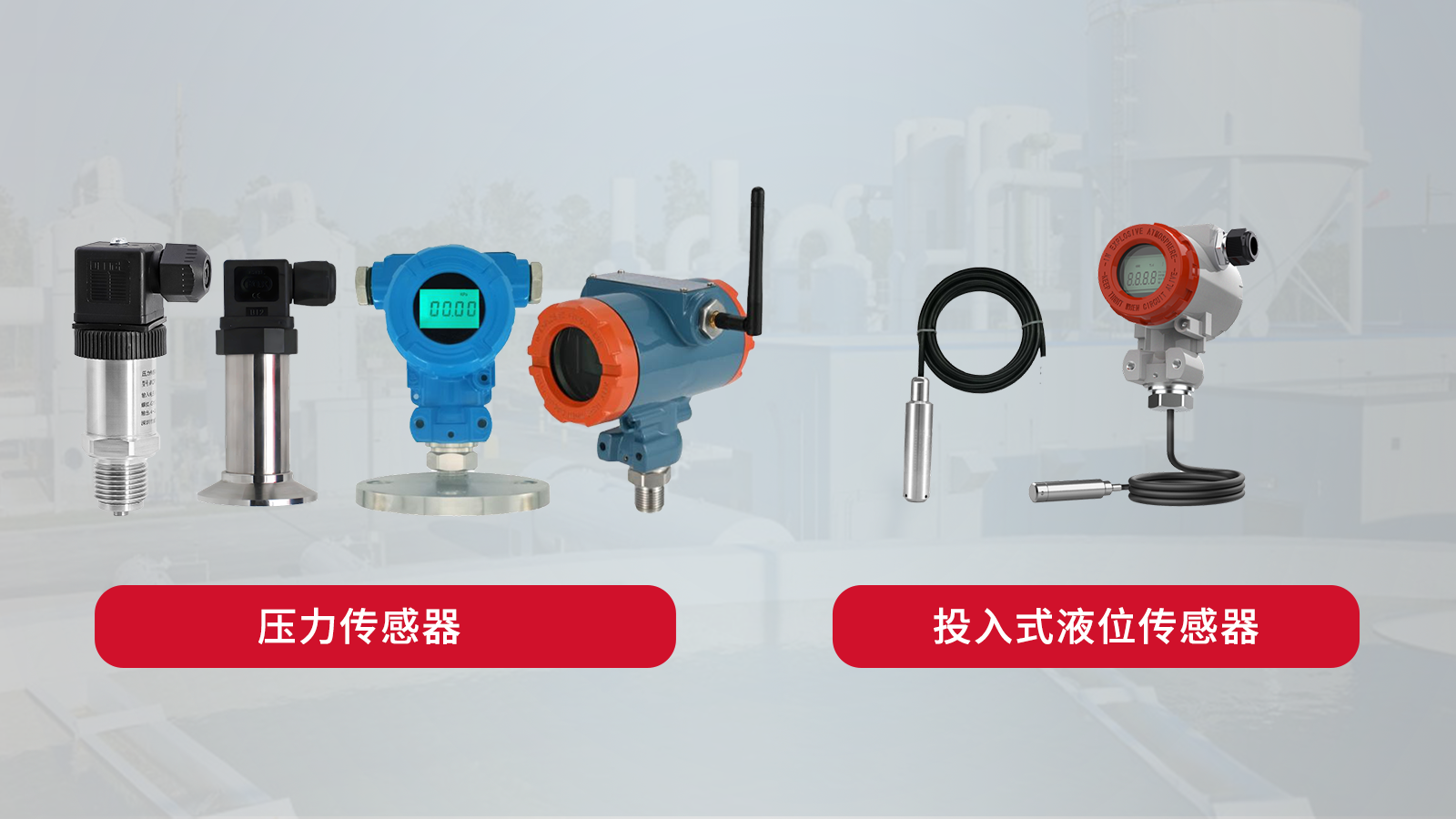
1. Pressure sensors: Pressure monitoring for all scenarios in urban water supply, fire protection and water conservancy, with a wide range customizable within 0~100MPa, supporting both wireless (4G/LoRa/NB-IoT) and wired (RS485/4-20mA/0-5V/0-10V) options and data acquisition as fast as 1 second for early warning of pipe bursts and leaks. It offers excellent overload and impact resistance, adapting to complex pipeline conditions;
2. Submersible level sensors: Measuring range customizable within 0~100 m, accuracy class up to 0.25%FS/0.5%FS, IP68 protection rating, and support for both wired and wireless communication. Installed at water sources, reservoirs, clear water tanks of water plants, secondary water supply tanks, pump station sumps and drainage network manholes, it monitors water level changes in real time;
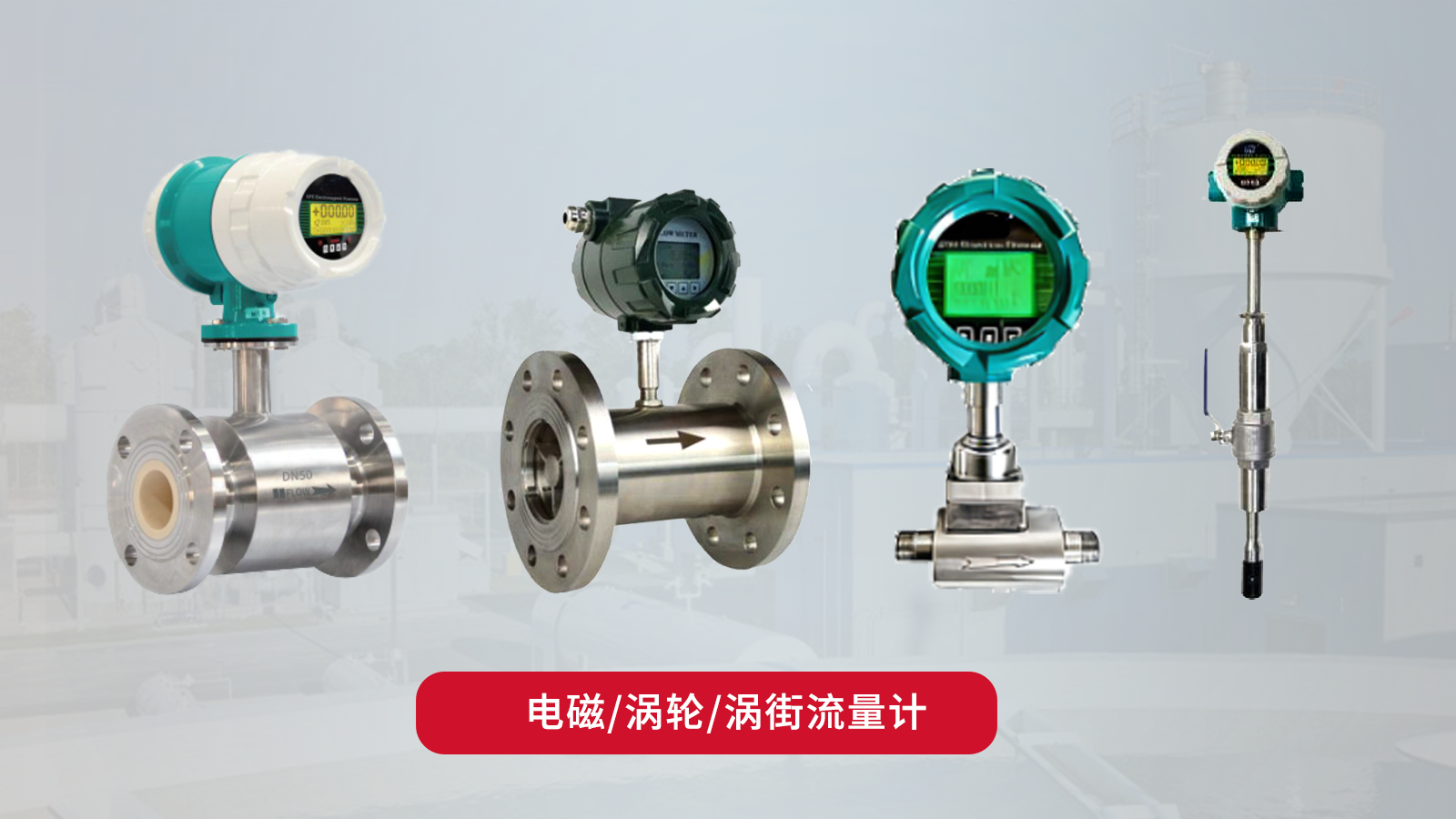
3. Flow meters: Covering electromagnetic flow meters, vortex flow meters and many other types, achieving a velocity range from 0.01 m/s to 5 m/s with±2% of reading accuracy. Various flange and threaded connections make it suitable for installation at key nodes such as trunk mains, branch pipes, drainage networks, inlets and outlets of water supply networks, monitoring instantaneous and cumulative flow in real time;
 | Benefits and Results
1. Leakage rate drops significantly, saving water resources and costs: By deploying pressure sensors and flow meters at key nodes of the water supply network, water pressure distribution and water volume changes in each district of the network are tracked in real time, shifting governance from passive leak detection to proactive warning and precise control. In practice, smart water technology can reduce leakage rates from 30% to 9%, cutting annual water loss by millions of tons — this alone can save hundreds of thousands to over one million yuan in water charges each year
2. Early warning of pipe bursts and waterlogging risks ensures urban safety: winchen pressure sensors support data acquisition as fast as 1 second and can capture transient pressure events such as water hammer, enabling early warning of pipe bursts. Level sensors monitor water levels in real time at flood-prone points and network nodes, automatically issuing warnings when levels exceed alarm thresholds and buying valuable time for flood control emergencies. The discovery and handling cycle for major leakage events can be shortened from “days” to “hours”
3. Full-process digital management empowers scientific decision-making: With coordinated deployment of pressure, level and flow sensors, the system maps the physical water cycle into the digital world, moving from “experience-based judgment” to “data-driven decisions”. Based on real-time data, hydraulic models, pressure analysis models and water volume trend models can be established, providing a scientific basis for water supply dispatch, drainage planning and leakage control;
4. Lower O&M costs and higher equipment utilization: High protection ratings and advanced manufacturing processes deliver long service life and high reliability in harsh environments, greatly reducing equipment replacement frequency and maintenance costs. Wireless deployment requires no power or communication cabling, further reducing installation and O&M difficulty.