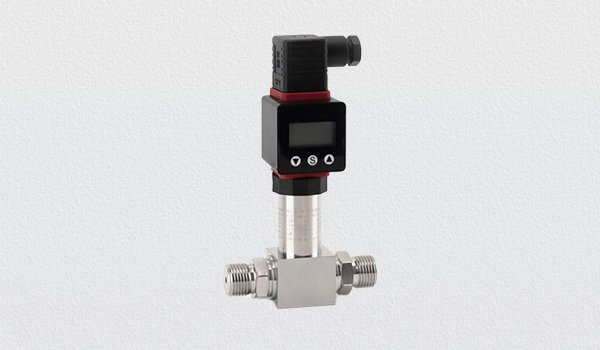
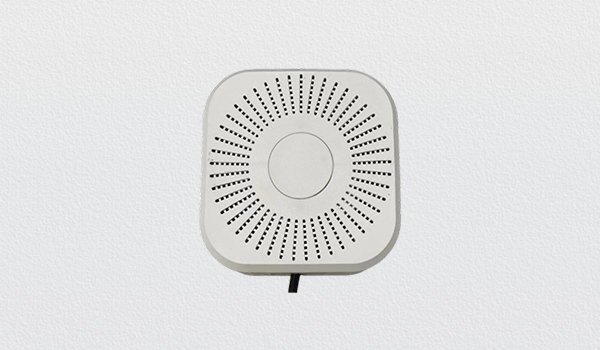
• How to link the multi in one air quality sensor in building control?12-222025

    How to link the multi in one air quality sensor in building control?

    The multi in one air quality sensor senses changes in environmental PM2.5, PM10, carbon dioxide (CO ₂), formaldehyde (HCHO), total volatile organic compounds (TVOC), as well as temperature, relative humidity, etc. It can be connected to IoT platforms and PLC devices, and then control and link intelligent air conditioning, fresh air systems, air pu...

    MORE
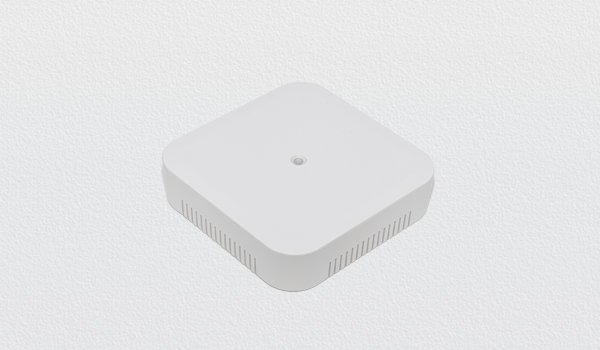
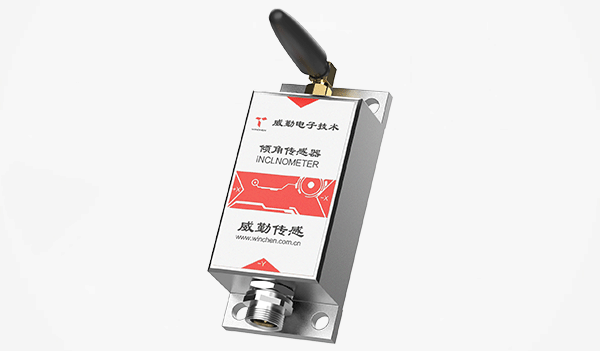
  • What values can be measured by a multi in one air quality sensor?12-222025

    What values can be measured by a multi in one air quality sensor?

    Multi in one air quality sensor refers to a sensor module device that integrates multiple gas sensors, particulate matter sensors, and temperature and humidity sensors into a compact device. It can usually simultaneously monitor: particulate matter: PM2.5, PM10, gas pollutants: carbon dioxide (CO ₂), formaldehyde (HCHO), total volatile organic com...

    MORE
  • Advantages and disadvantages of wireless tilt sensor communication12-222025

    Advantages and disadvantages of wireless tilt sensor communication

    The main communication methods for wireless tilt sensors include LoRa, 4G/5G, Wi Fi, Bluetooth, ZigBee, etc. Choosing which wireless protocol is the core decision, which determines the communication distance, speed, power consumption, and networking capability. Let's first understand several mainstream solutions and their advantages and disadvantage...

    MORE
  • Angle sensor-Tilt angle sensor integrated with high-precision gyroscope and accelerometer12-222025

    Angle sensor-Tilt angle sensor integrated with high-precision gyroscope and accelerometer

    Winchen Sensing independently developed and produced an inclination sensor, also known as an angle sensor, which is a device used to measure the static rotation angle, angular velocity, or angular acceleration of an object. It integrates high-precision gyroscopes and accelerometers, uses high-performance microprocessors, and advanced dynamic calcula...

    MORE
  • Working principle of differential pressure transmitter12-222025

    Working principle of differential pressure transmitter

    Simply put, the core working principle of a differential pressure transmitter is to measure the pressure difference between two different points and convert this physical pressure difference into a standardized electrical signal (such as 4-20mA) or digital signal for output....

    MORE